
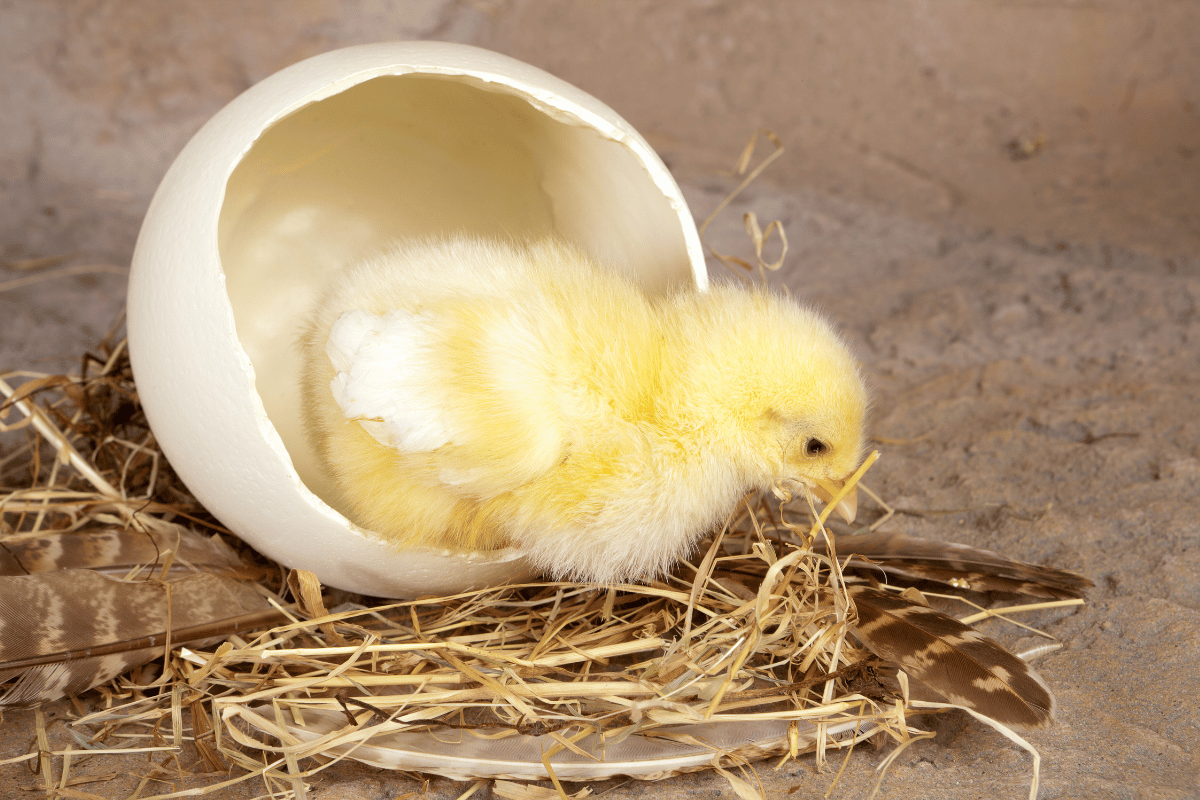
This study investigated how targeted light exposure during egg incubation (in-ovo) and after hatching (post-hatch) influences growth performance, feed efficiency, and survivability of broiler chickens under tropical conditions. Poultry production in warm climates is increasingly challenged by heat stress, which compromises feed intake, growth rates, and survival. Photo stimulation using specific light wavelengths has emerged as a promising, non-invasive strategy to enhance physiological development and resilience in broilers. However, its practical value under tropical production systems has remained insufficiently explored.
 The science of in-ovo and post-hatch photostimulation in broiler chickens is based on the ability of light to influence physiological, endocrine, and metabolic processes that regulate growth, development, and survivability. Light acts not only as a visual stimulus but also as a biological signal that penetrates the eggshell during incubation and is perceived by extra-retinal photoreceptors in the embryo, including the pineal gland and hypothalamus. These receptors regulate circadian rhythms and hormonal secretion critical for embryonic development. This study focuses on how specific light wavelengths influence embryonic development, physiological programming, and post-hatch growth in broiler chickens. Exposure to blue and green monochromatic light during incubation enhances endocrine activity, muscle fiber development, and metabolic efficiency. Continued post-hatch photo stimulation improves feed conversion, growth performance, and survivability by regulating circadian rhythms, stress responses, and energy utilization, particularly under heat-stressed tropical production systems.
A total of 800 fertile broiler eggs were incubated under three light conditions: green light (GL, 560 nm), blue light (BL, 480 nm), and complete darkness as the control. Light was delivered using LED lamps in controlled intermittent cycles to avoid overheating. After hatching, chicks were subjected to three complementary experimental setups to assess: (i) combined in-ovo and continuous post-hatch photo stimulation, (ii) in-ovo and early post-hatch (brooding phase) photo stimulation, and (iii) the isolated effect of in-ovo photo stimulation on later growth. Growth performance, feed intake, feed conversion ratio (FCR), hatchability, embryonic mortality, and survivability were monitored over a six-week rearing period.
The results demonstrated that monochromatic light, particularly green and blue wavelengths, significantly improved hatching and post-hatch performance compared to dark or white-light controls. Eggs exposed to green light during incubation produced the heaviest hatchlings and achieved the highest hatchability rates. Both green and blue light markedly reduced early and mid-embryonic mortality, indicating enhanced embryonic viability. Green light also accelerated hatching time, suggesting stimulation of embryonic metabolic and endocrine activity.
Post-hatch growth performance consistently favored birds exposed to blue and green light. In continuous post-hatch photo stimulation, blue light resulted in the highest final body weights and the most efficient feed conversion ratios, followed closely by green light. When photo stimulation was applied only during the early brooding period, both green and blue light significantly improved body weight gain and feed efficiency, with benefits persisting even after birds were returned to standard white light. Notably, chicks exposed to photo stimulation only during incubation also showed superior post-hatch growth and feed utilization, demonstrating that embryonic light exposure alone can induce long-lasting physiological advantages.
Across all experimental designs, survivability was consistently higher in green- and blue-light treatments, with blue light showing the lowest mortality rates. These findings suggest that monochromatic photo stimulation enhances not only growth performance but also resilience to environmental stressors, a critical advantage for poultry systems in tropical and heat-stressed regions.
This study provides strong evidence that strategic use of green and blue LED light during incubation and early rearing stages can substantially improve broiler productivity, feed efficiency, and survival. As a low-cost, non-invasive, and easily adoptable technology, monochromatic photo stimulation represents a practical innovation for sustainable poultry production, particularly in tropical environments where climate stress increasingly threatens food security and livestock performance.
For more information read:
Juraji, M. A., Mbaga, S. H., Malachy, L. O., Kashumba, J. J., & Lyimo, C. M. (2026). Effect of in-ovo and post-hatch photo stimulation on growth performance and survivability of broiler chickens. Tanzania Veterinary Journal, 40(2), 90–99. https://doi.org/10.4314/tvj.v40i2.8

The Department of Animal, Aquaculture, and Range Sciences
The College of Agriculture, Sokoine University of Agriculture
Share this page