By Dr. Muumin et al. (2023) From the Department of Animal, Aquaculture and Range Sciences Photosynthesis and respiration exert strong opposing effects on dissolved gases in earthen ponds. During daylight this provides oxygen to the water while removing carbon dioxide. At night, fish, plankton, and sediment respiration consumes the available O2 and produces CO2. This leads...Read More
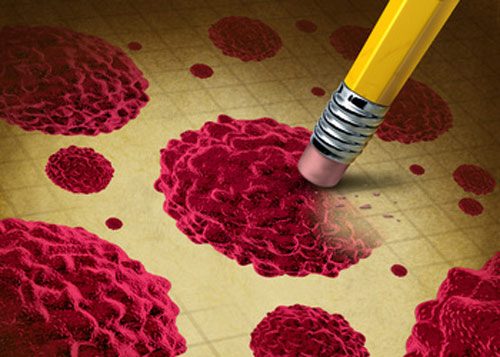
Researchers headed by a team at Brigham and Women’s Hospital have devised a new way to turn cancer cells into potent anticancer agents. Scientists in the lab of Khalid Shah, PhD, developed a cell therapy approach to eliminate established tumors and induce long-term immunity, training the immune system so that it can prevent cancer from...Read More
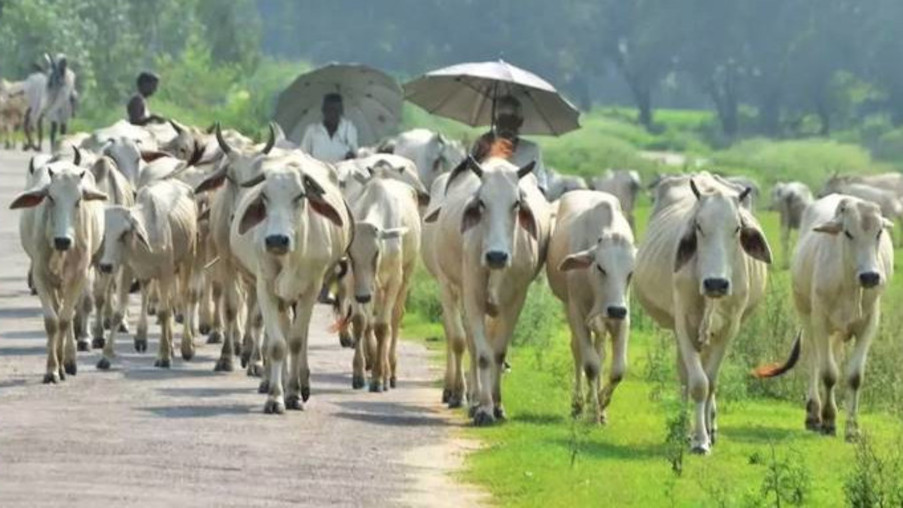
By Shija et. al. (2022) From the Department of Animal, Aquaculture and Range Sciences The ability of smallholder dairy farming systems (SHDFS) to achieve desirable lactation-curve characteristics is constrained or reduced by environmental stresses. Under stressful production environments in the tropics, the better lactation-curve characteristics in smallholder dairy farms are a result of improved dairy...Read More
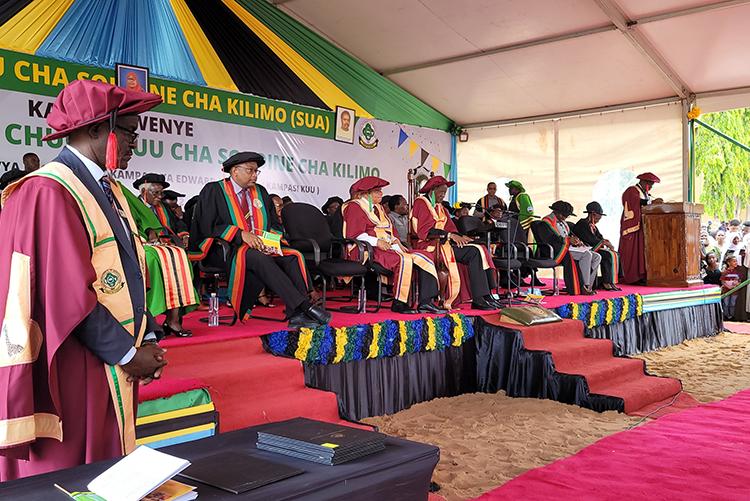
By Jacob Mosenda Education writer/journalist with The Citizen Mwananchi Communication Limited SUA’s vision of being a leading university in the provision of quality knowledge, skills and innovations in agriculture and allied sciences was yet again actualised on the main campus (Edward Moringe) situated 3km south of Morogoro Municipality. With the mission to undertake training, research in...Read More
Scientists led by researchers from the Transmission: Zero team at Imperial College London have engineered mosquitoes that slow the growth of malaria-causing parasites in their guts, and prevent transmission of the disease to humans. The mosquitoes carry a genetic modification that causes them to produce compounds in the gut that stunt the growth of the...Read More