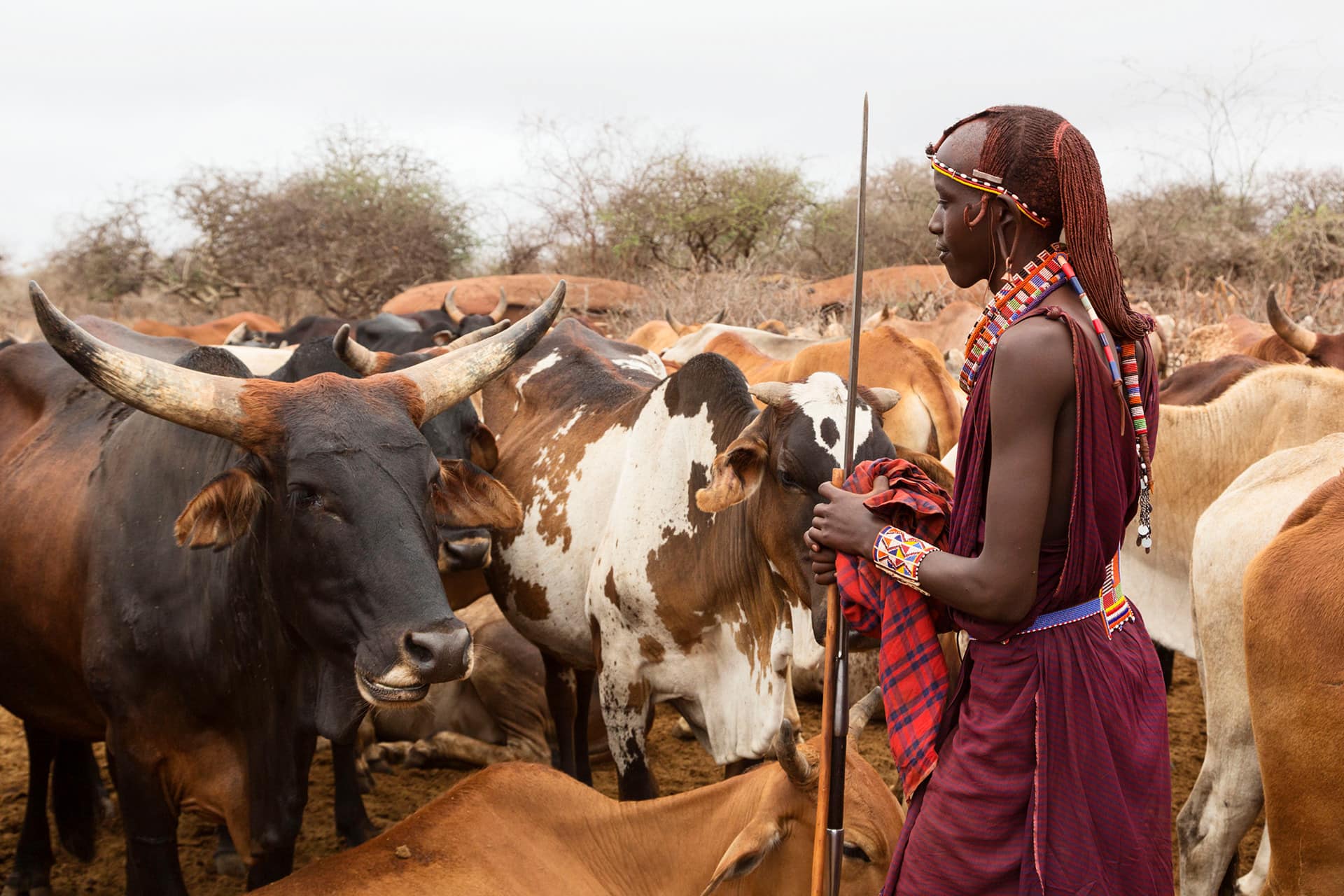
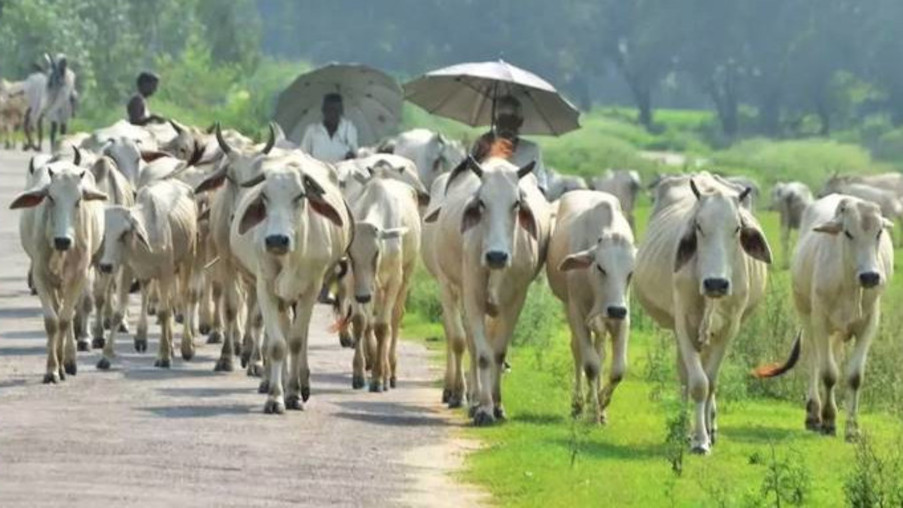
Integrated Range Management (IRM) practices play a crucial role in improving the growth and dry matter yield of forage species in regions like Mvomero district, Morogoro, Tanzania, where sustainable livestock production is essential for food security and livelihoods. Scarcity of forage particularly during dry seasons is among the major factors which limit improved meat production...Read More
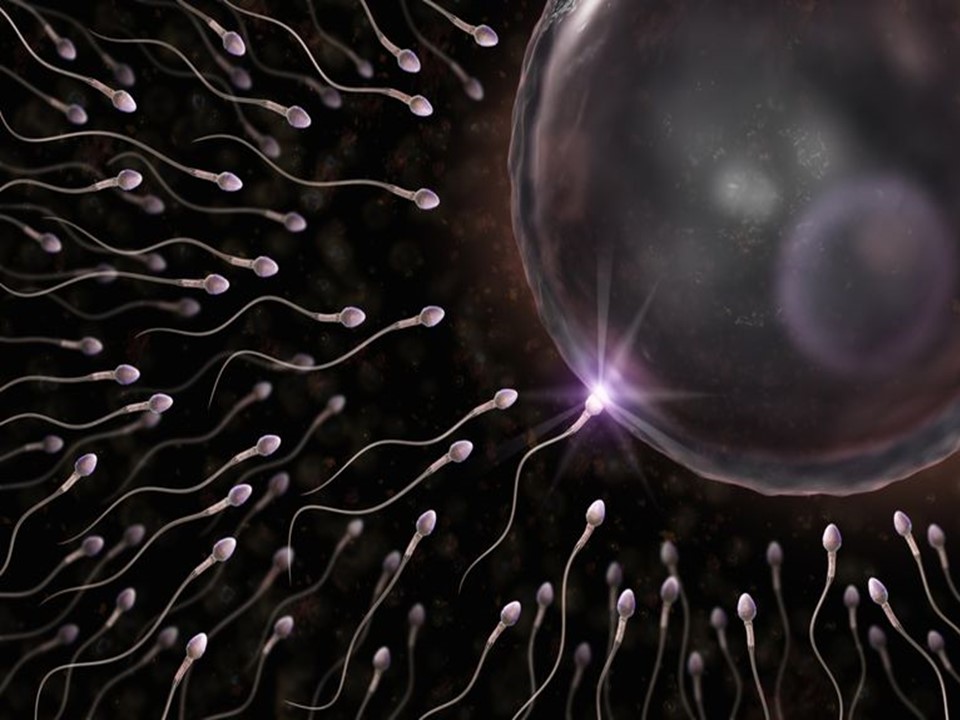
Artificial insemination (AI) in Tanzania was being used primarily in the livestock sector, particularly for cattle breeding. Artificial insemination is a reproductive technology that involves the introduction of sperm into the reproductive tract of a female to achieve fertilization without natural mating. The adoption of AI in Tanzania has been aimed at improving livestock breeds,...Read More
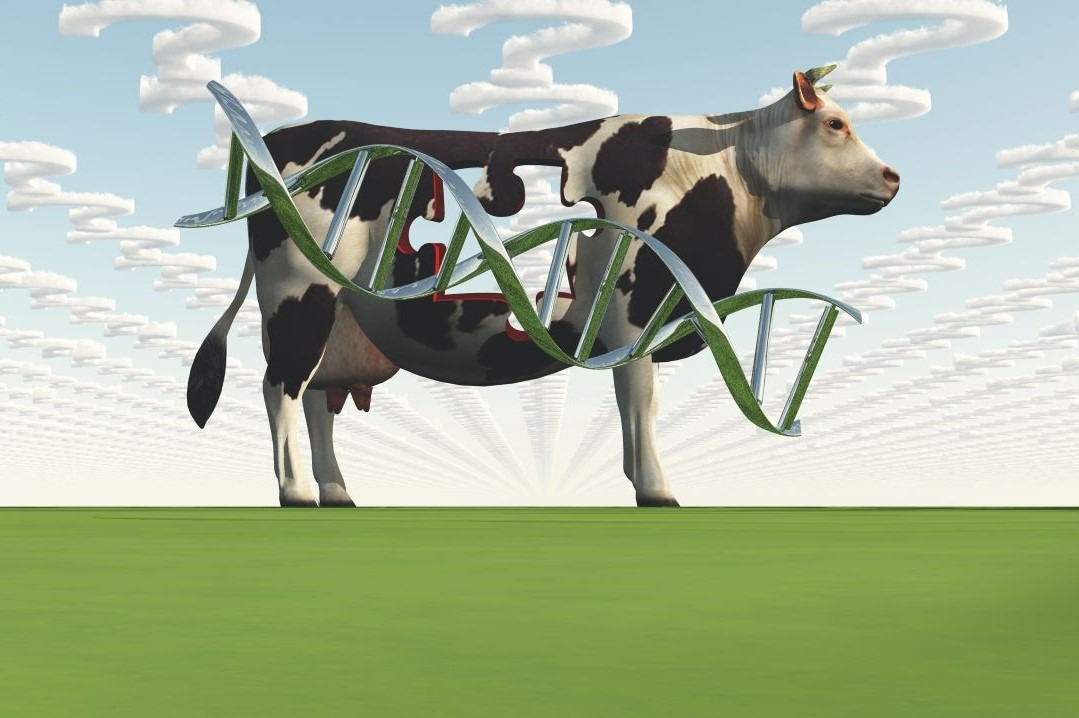
Estimating genetic parameters for heat tolerance in dairy cattle is an important aspect of breeding programs aimed at improving the resilience and productivity of intended animals in hot environments. Genetic parameters provide valuable insights into the heritability and genetic correlations of traits, which in turn help in selecting appropriate breeding strategies and identifying the most...Read More
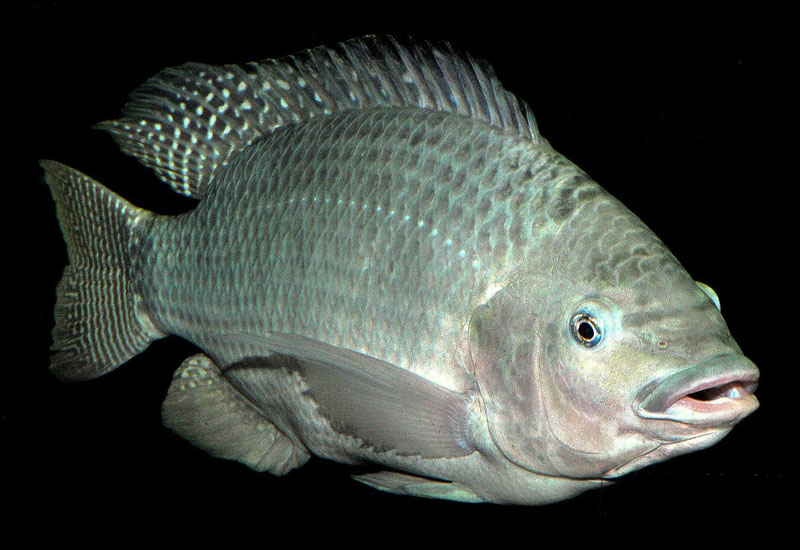
Tilapia farming has gained significant popularity worldwide due to their fast growth, tolerance to a wide range of environmental conditions, efficient feed conversion rates and high market demand. Nile tilapia (Oreochromis niloticus) can be farmed in ponds, tanks, or cages. They are tolerant to a wider ranges of temperatures, typically between 25°C and 30°C (77°F...Read More
Heat stress has a significant impact on milk yield traits and metabolites in tropical dairy cattle. When cattle are exposed to high ambient temperatures and humidity, they experience heat stress, which can lead to reduced milk production and changes in metabolic processes. Heat stress negatively affects milk production in dairy cattle. The decline in milk...Read More
Elasmobranchs are a group of cartilaginous fishes that includes sharks, rays, and skates. Many species within this group are currently facing significant threats and are classified as endangered or critically endangered. These threats arise from various factors, including overfishing, habitat degradation, bycatch, and climate change. As a result, conservation efforts are being undertaken to protect...Read More
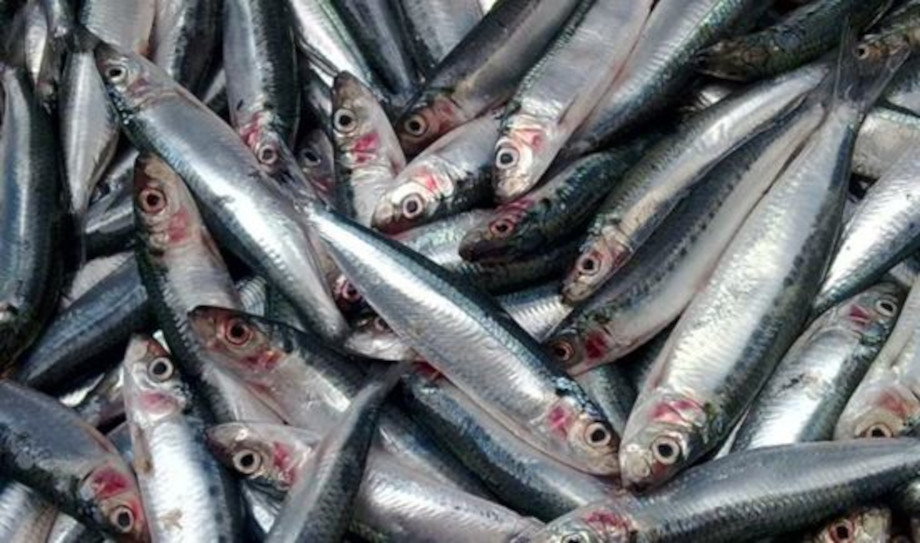
Spotted sardinella, scientifically known as Amblygaster sirm, is a species of fish in the family Clupeidae. It is commonly found in the Indo-West Pacific region, including the coastal waters of the Indian Ocean and the western Pacific Ocean. Spotted sardinella (Amblygaster sirm) is indeed found in the coastal waters of Tanzania, which is located in...Read More
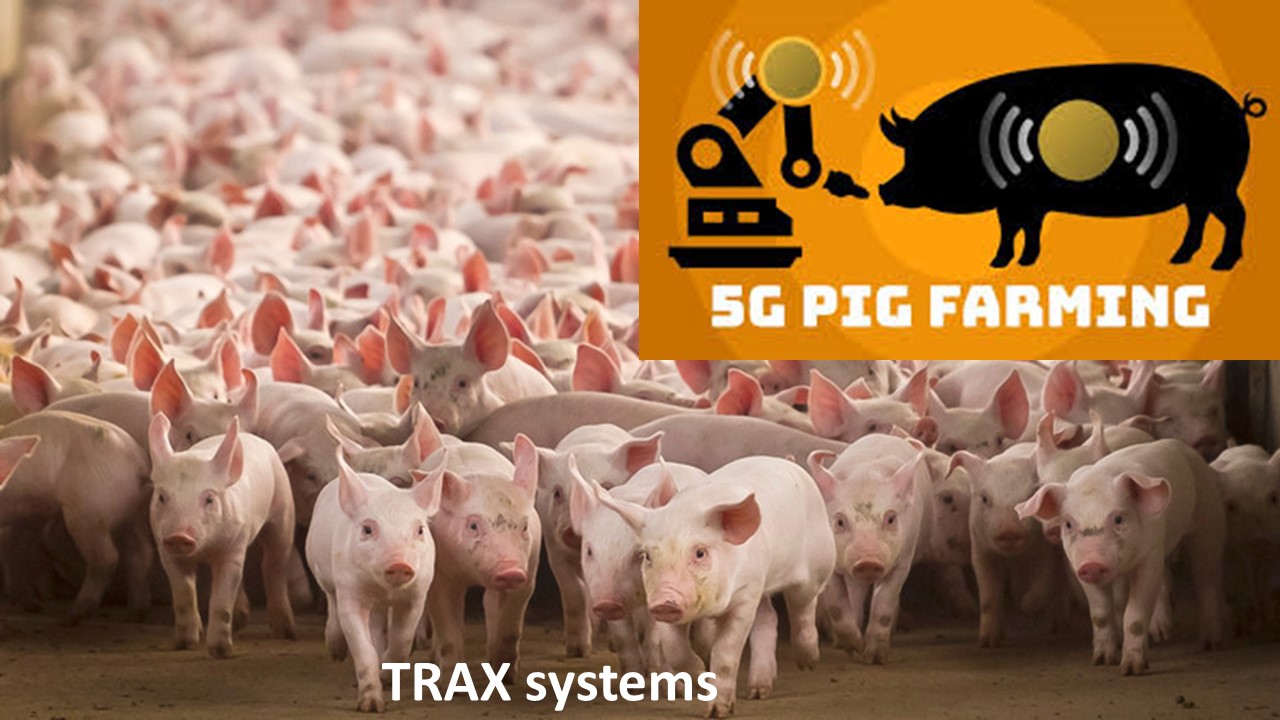
TRAX systems refer to a variety of software solutions designed to track and manage assets or inventory within different industries. These systems typically use advanced technologies such as RFID (Radio Frequency Identification), GPS (Global Positioning System), or barcode scanning to monitor and collect data about the location, movement, and status of assets. TRAX systems offer...Read More
The study focuses on the feed utilization and growth performance of Tanzania Shorthorn Zebu cattle when fed untreated or urea-treated rice straws as a replacement for hay in a traditional feedlot system has been successfully done. This research finding is valuable in regions where rice straws are abundant and hay availability is limited. Rice straw...Read More
ILRI NEWS: By Mwihaki Mudia | Contributor: Tadelle Dessie In sub-Saharan Africa, chicken production is integral in nearly all poor rural smallholder households, accounting for about 80% of the poultry flock in the region (Akinola and Essien 2011, FAO 2020). For smallholder chicken farmers, many of whom are women, chicken production offers numerous of benefits – from...Read More