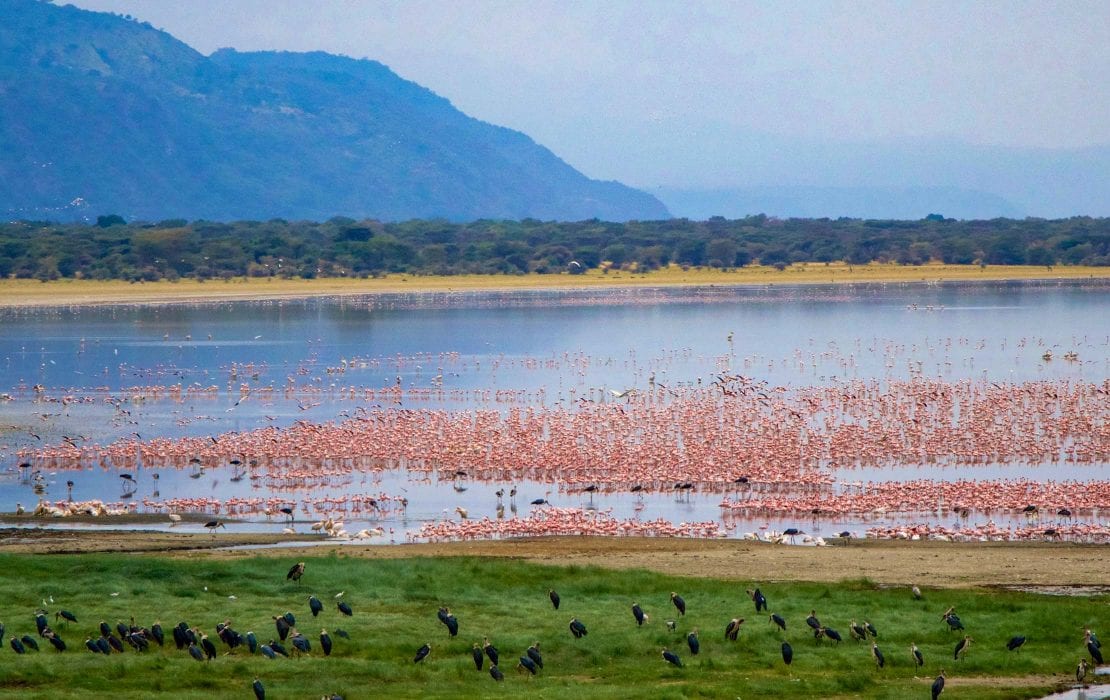
The species Oreochromis amphimelas, commonly known as Manyara tilapia, is a species of tilapia cichlid endemic to North Central Tanzania. It is found in Lake Manyara and several other saline lakes with closed basins, including Lakes Eyasi, Kitangiri, and Singida. The species has a unique appearance, with a small head, upwardly angled mouth, and few...Read More
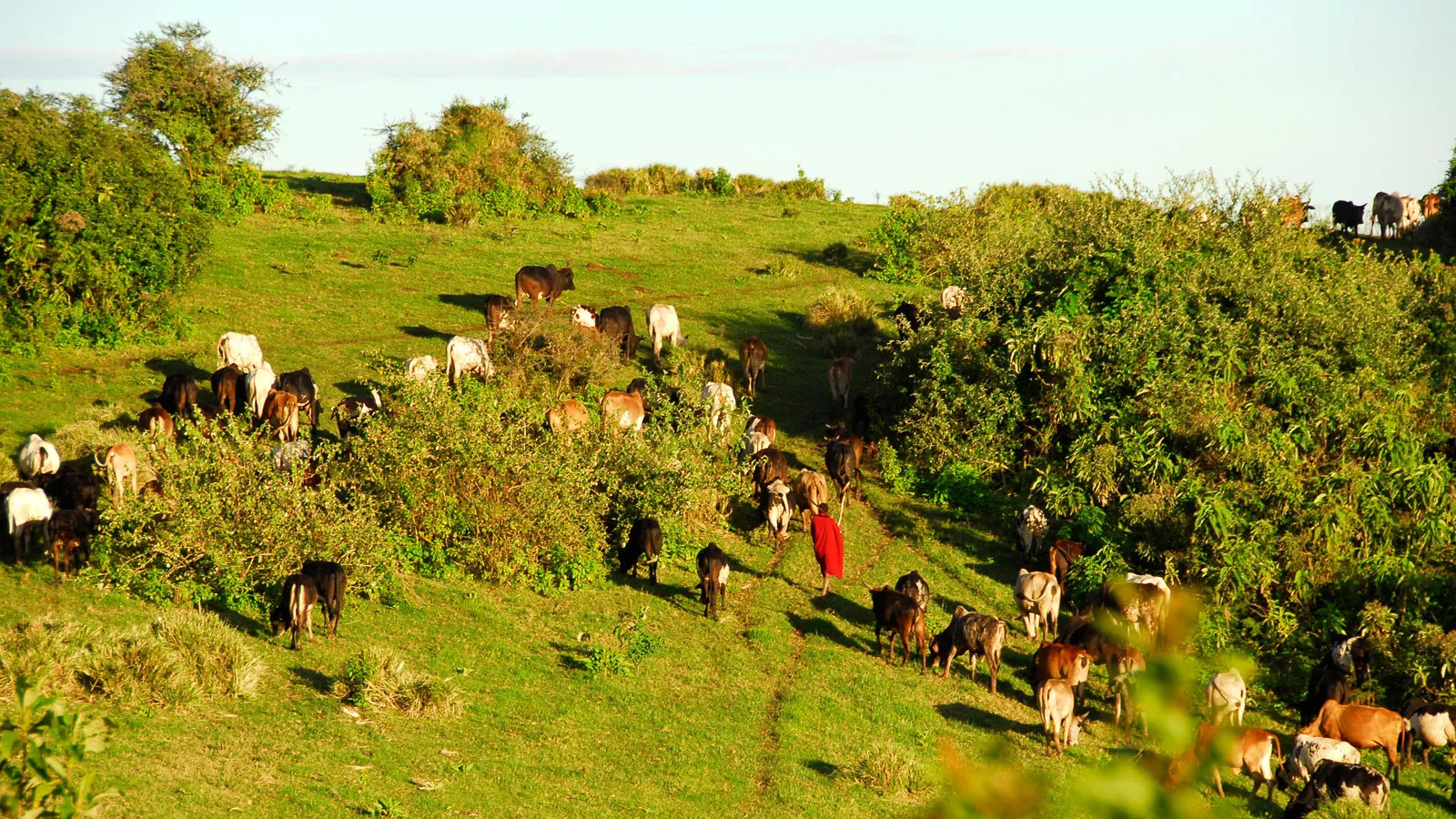
Deferred grazing is a management strategy that involves resting certain areas of rangeland from livestock grazing for a specific period. This technique aims to improve rangeland productivity and health which allows vegetation to recover and regenerate. The effects of a deferred grazing system on rangeland productivity and health in Simanjiro District, Northern Tanzania, have been...Read More
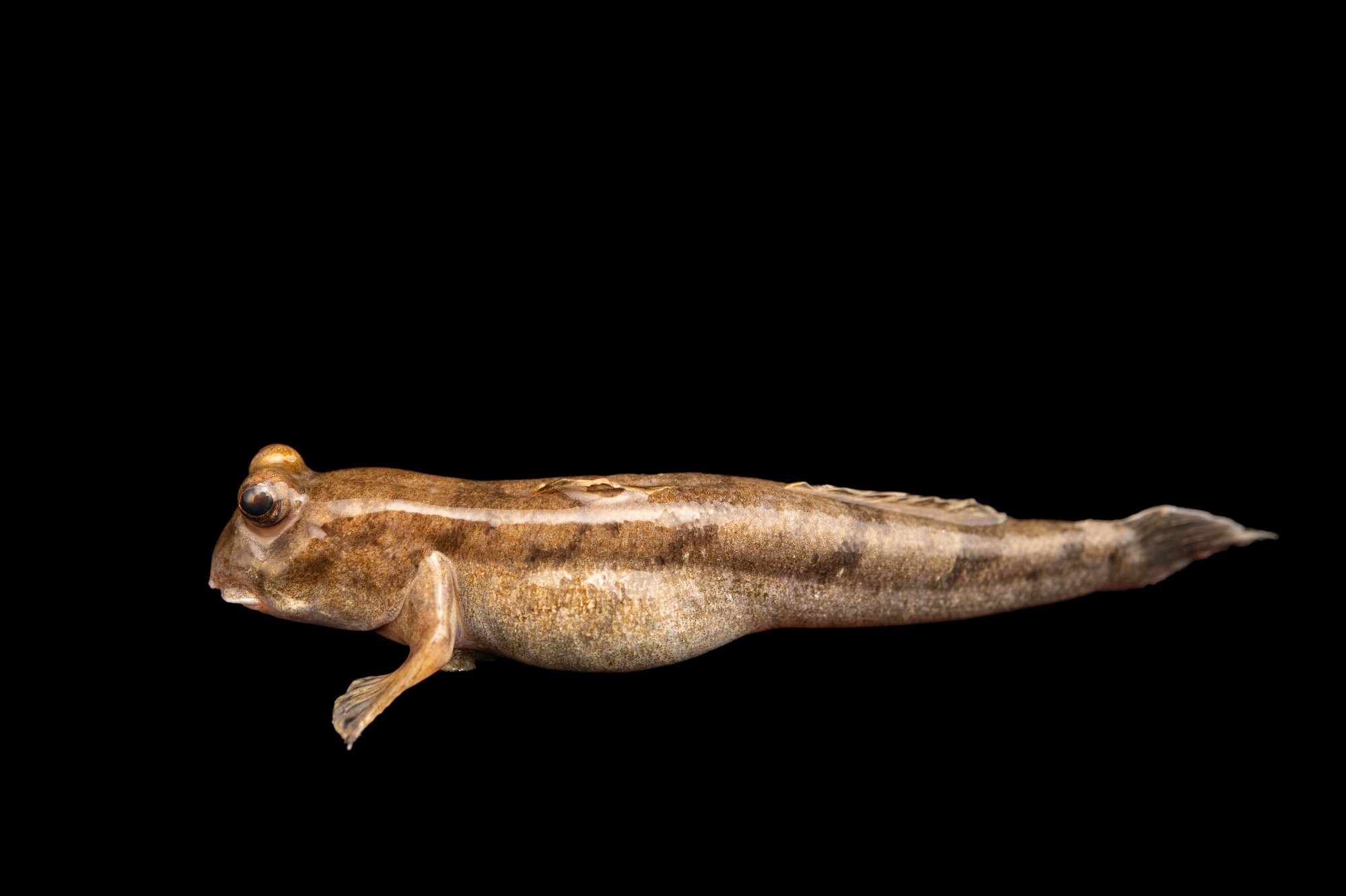
The barred mudskipper (Periophthalmus argentilineatus) is a fascinating amphibious fish species found in mangrove habitats throughout the Indo-Pacific region, including the southwestern Indian Ocean. These fish are well adapted to both terrestrial and aquatic environments, using their pectoral fins to “walk” on land and their gills to breathe underwater. Population studies of barred mudskippers in...Read More
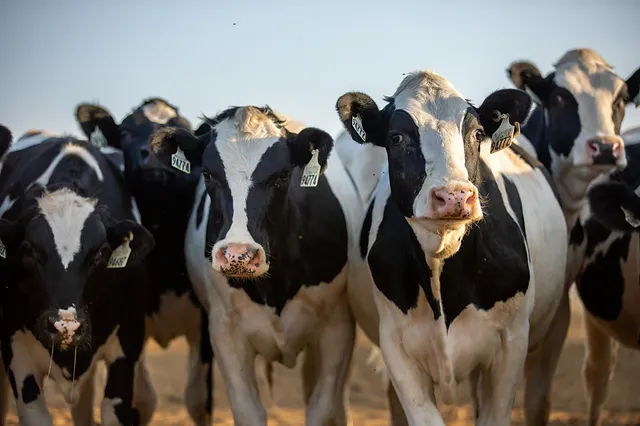
The productivity and reproductive performance of dairy cattle are influenced by a combination of genetic and non-genetic factors. In genetic factors, genetic selection plays a significant role in improving both productivity and reproductive traits in dairy cattle. Breeding programs aim to select animals with desirable traits such as high milk yield, good fertility, and longevity....Read More
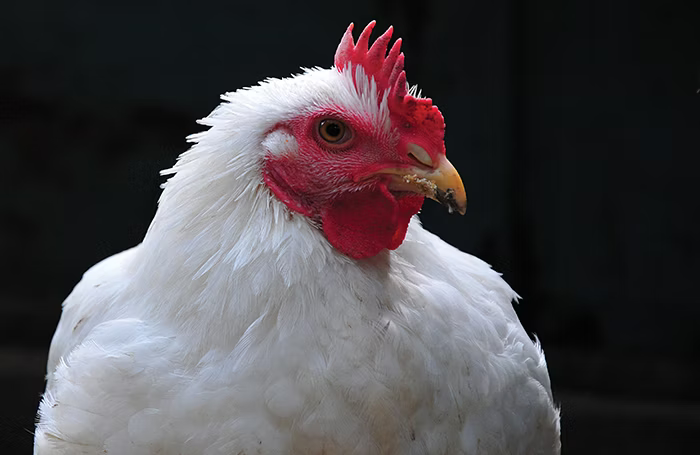
The classification and productivity of smallholder broiler farms hold significant importance for various stakeholders, including farmers, policymakers, researchers, and the broader agricultural community. Understanding the classification and productivity of smallholder broiler farms helps farmers make informed decisions about their operations. By knowing how their farm compares to others in terms of size, efficiency, and productivity,...Read More
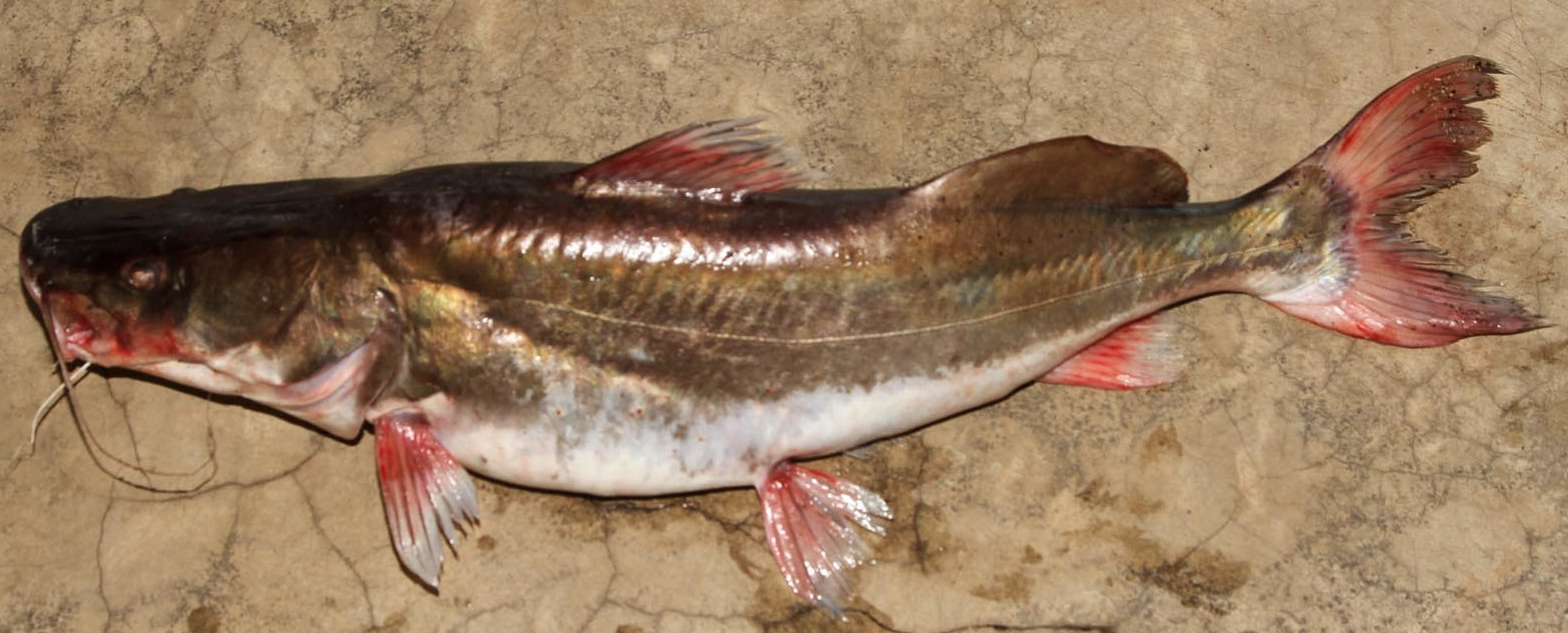
The Rufiji River basin in Tanzania is home to a variety of aquatic species, including several species of catfish. Bagrid catfish “family Bagridae” are among the catfish species found in this region. The Bagridae family is diverse, and different species within this family may inhabit various types of aquatic environments, such as rivers, lakes, and...Read More
Phylogeography is a field that combines principles of evolutionary biology, population genetics, and biogeography to understand the historical processes that have shaped the current geographic distribution of species, existing genetic diversity and their adaptations. Normally, phylogeographic patterns are the observable trends and structures in the genetic variation of populations across geographical space. The African Greater...Read More
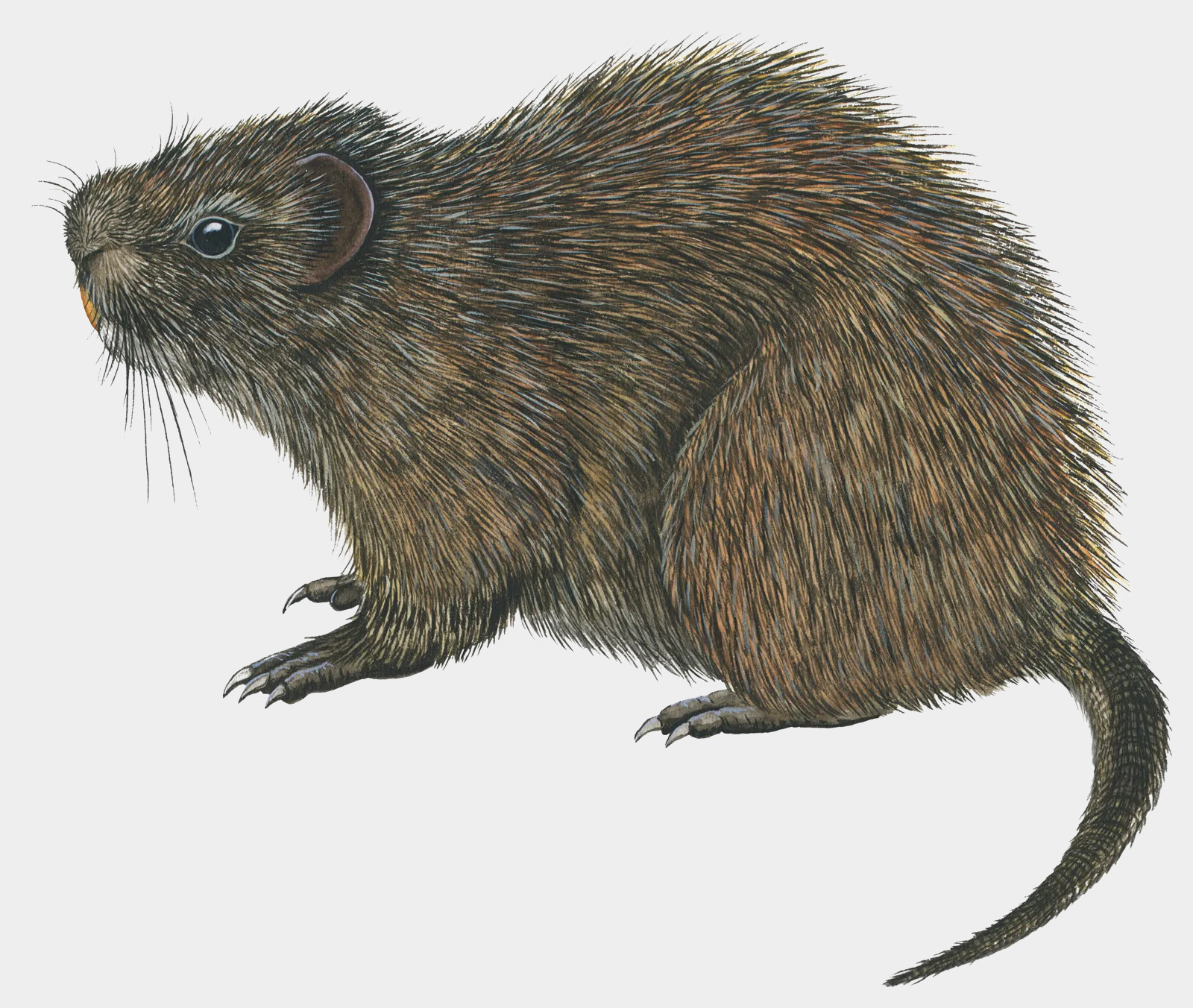
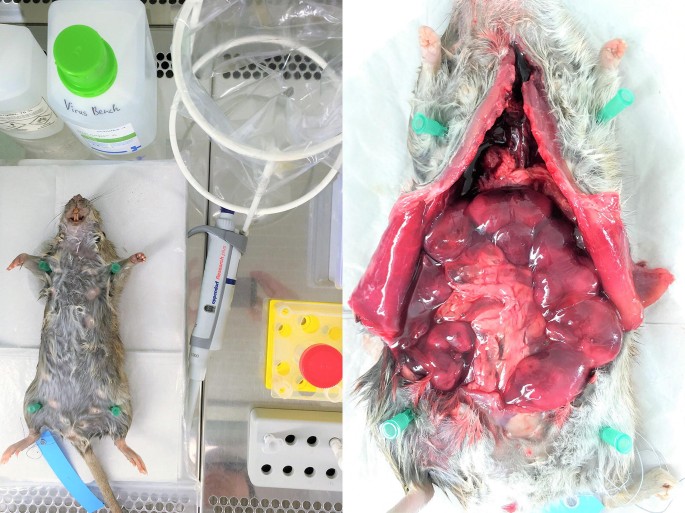
The detection and characterization of zoonotic Bartonella spp. in rodents, shrews, and their ectoparasites are essential for public health risk assessment, disease surveillance, reservoir identification, and the development of effective control strategies, as well as adopting a comprehensive One Health strategy to prevent and control infectious diseases. Identification of zoonotic Bartonella spp. in rodents and...Read More
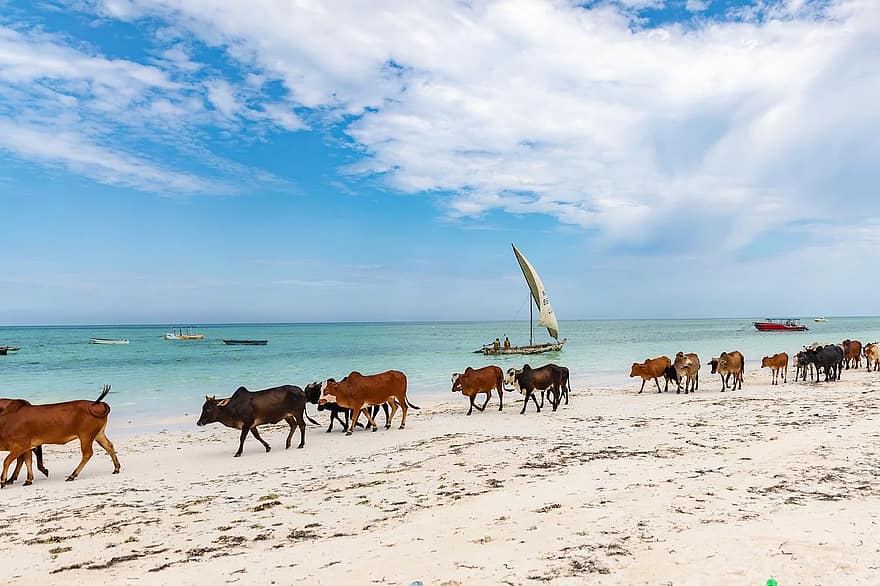
The dairy industry is among the important components of the livestock sector in Zanzibar in terms of source of animal protein, income, and employment. In Zanzibar, the lack of grazing land, inadequate spaces for waste management, and urbanization created a need to find a better way of establishing dairy farming intervention to serve poor families...Read More
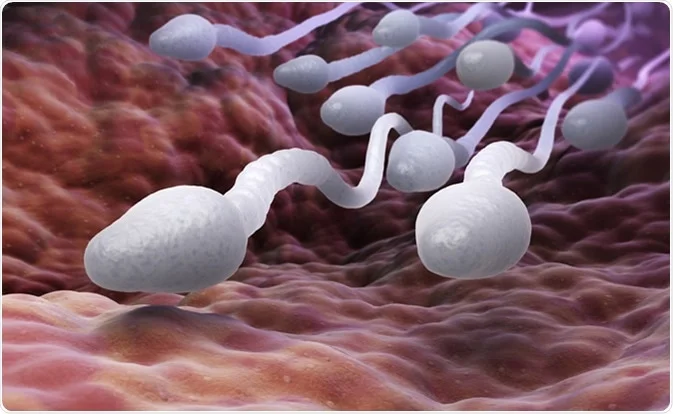
Cryopreservation is a process where cells or whole tissues are preserved by cooling to low sub-zero temperatures, such as −196 °C. In the case of dairy bull semen, cryopreservation is a common method used to preserve the sperm cells for artificial insemination (AI) purposes. Maintaining the quality of cryopreserved dairy bull semen along the supply...Read More